


Read the Past Episodes
 Sandeep Balakrishna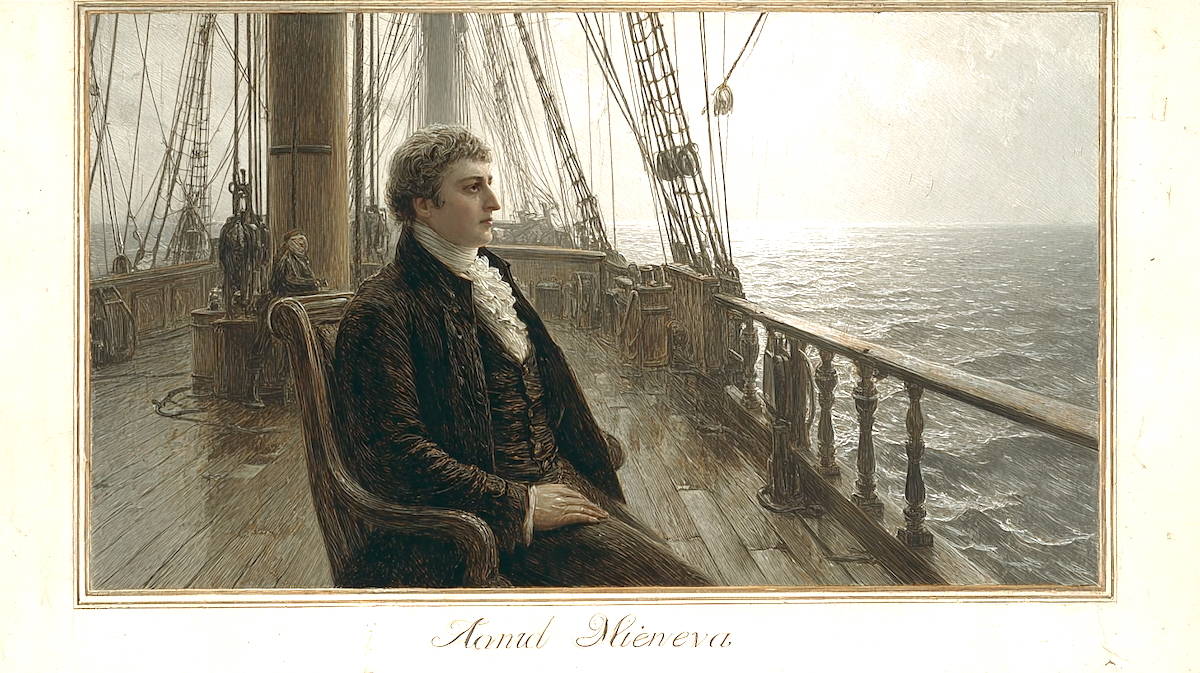
 Sandeep Balakrishna
 Sandeep Balakrishna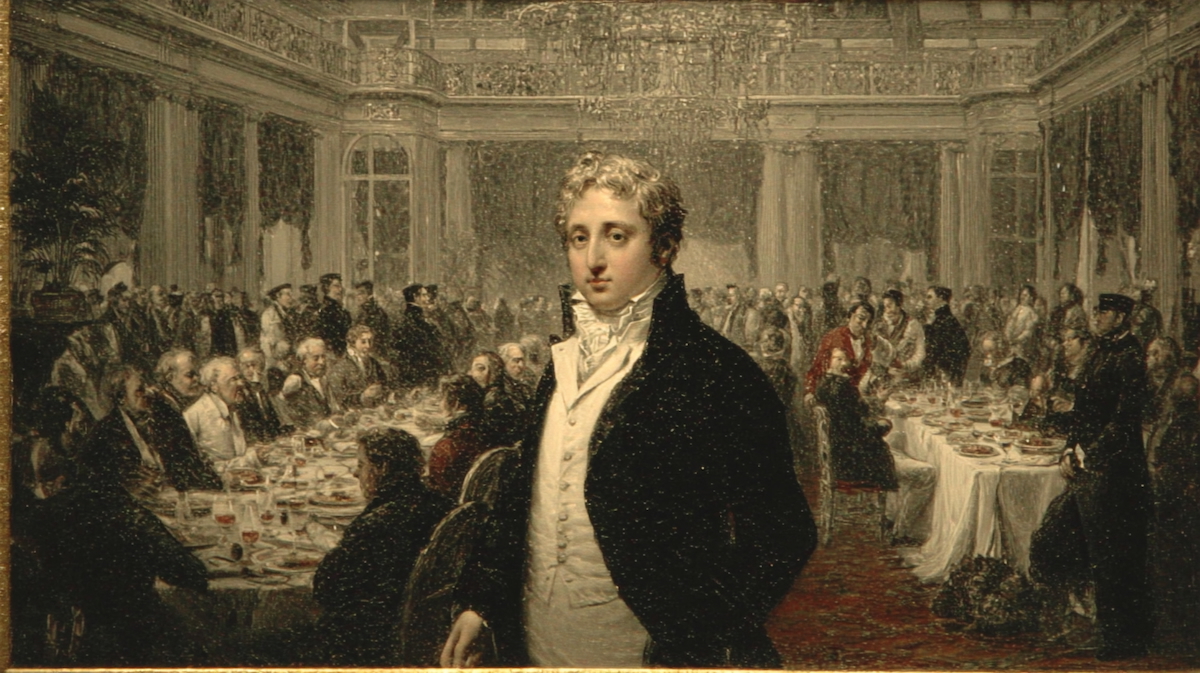
 Sandeep Balakrishna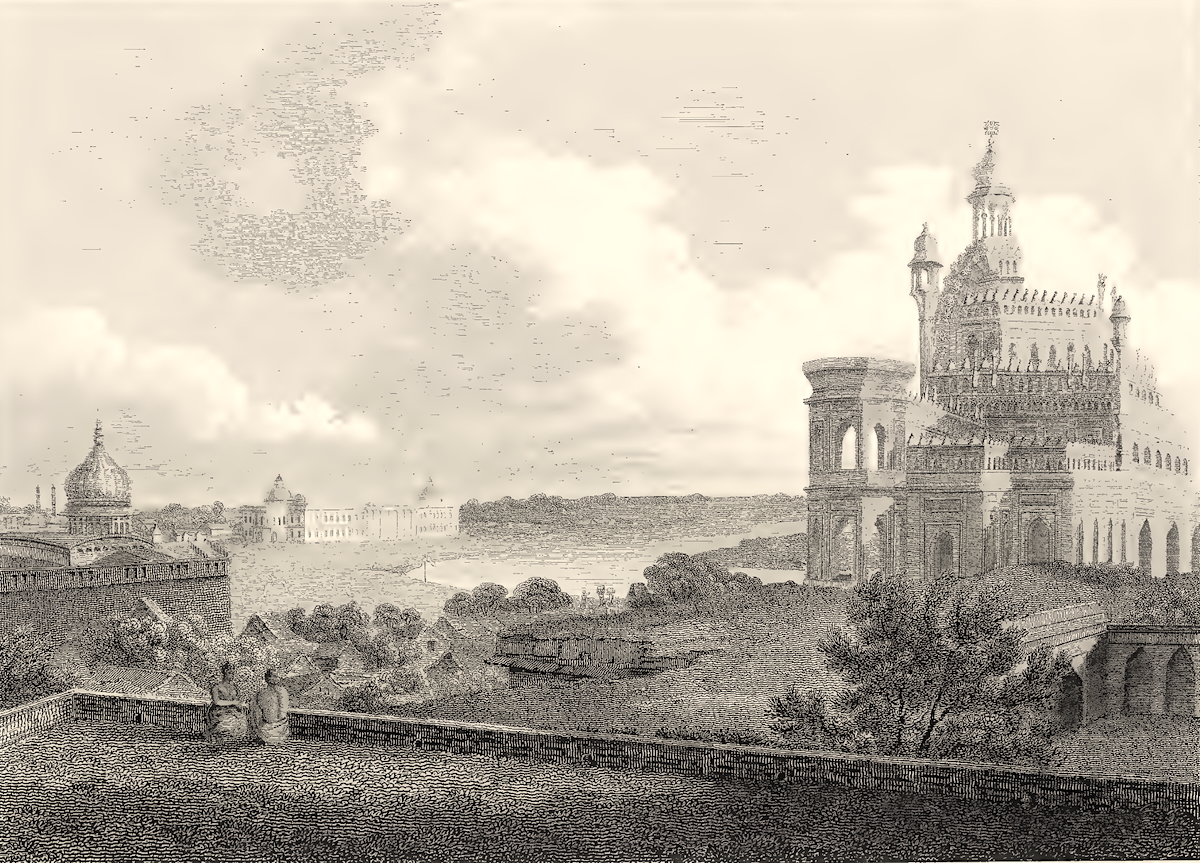
 Sandeep Balakrishna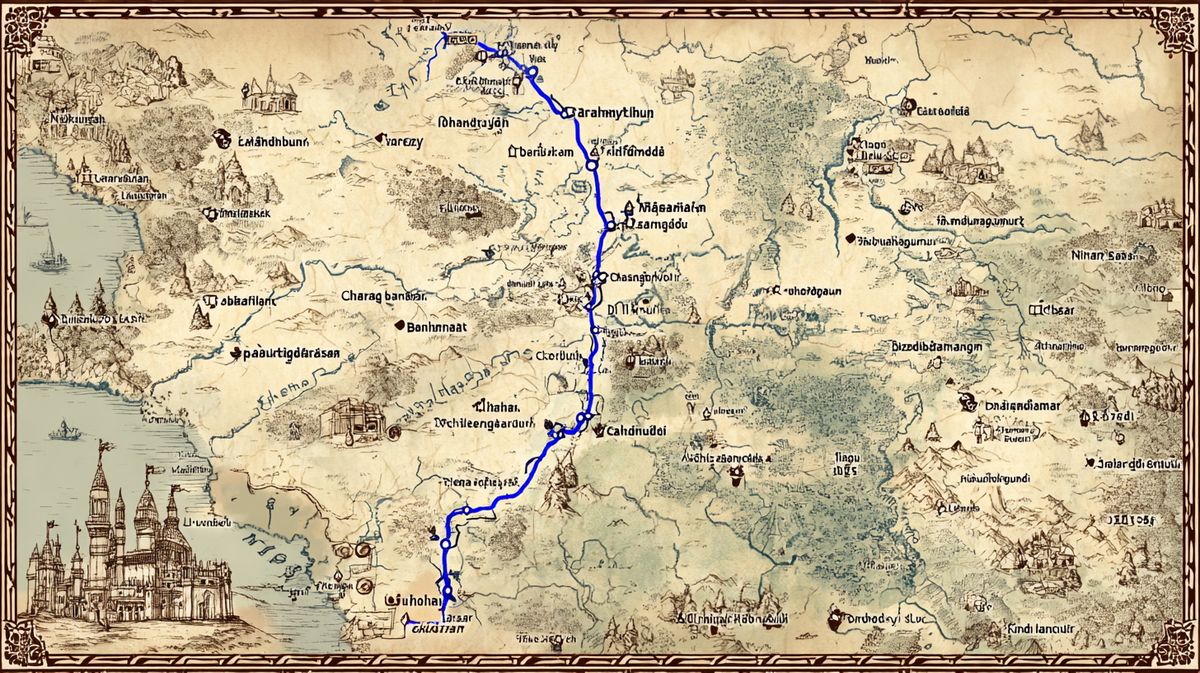
 Sandeep Balakrishna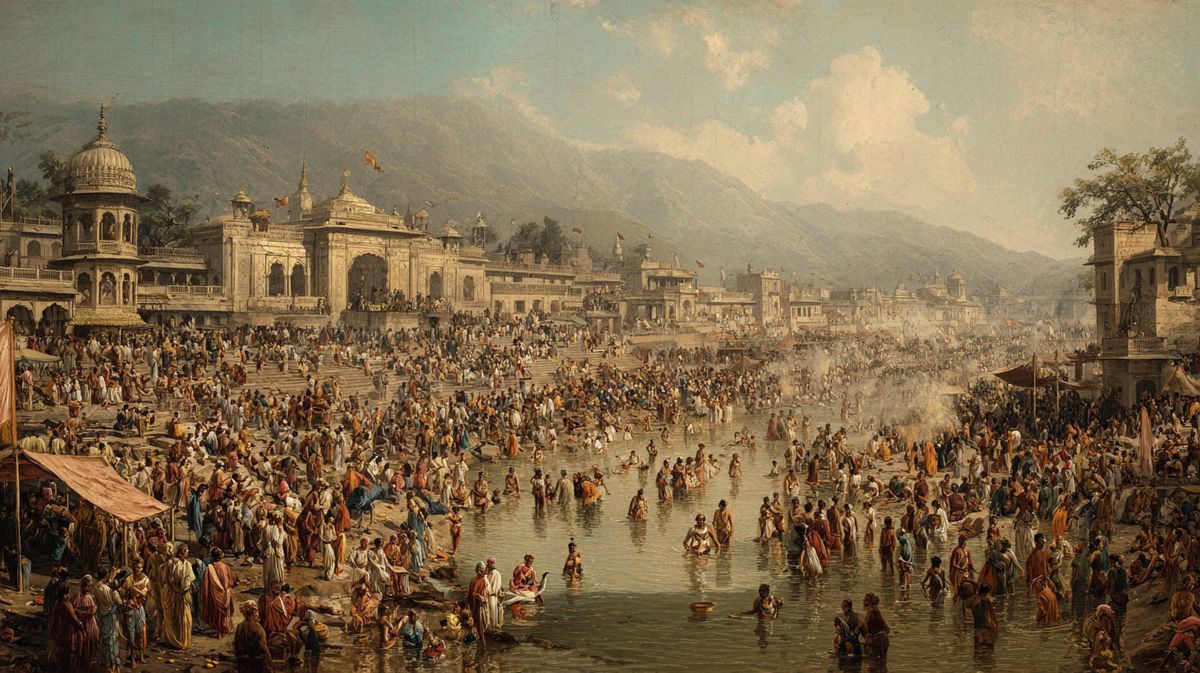
 Sandeep Balakrishna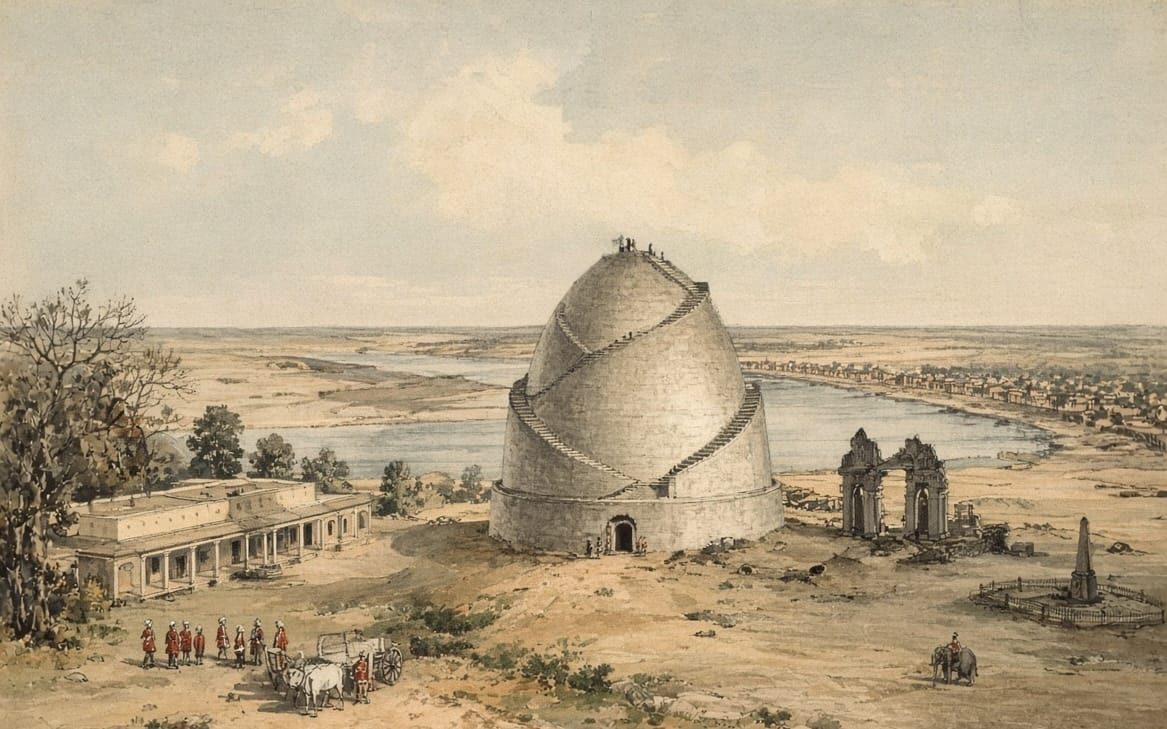
 Sandeep Balakrishna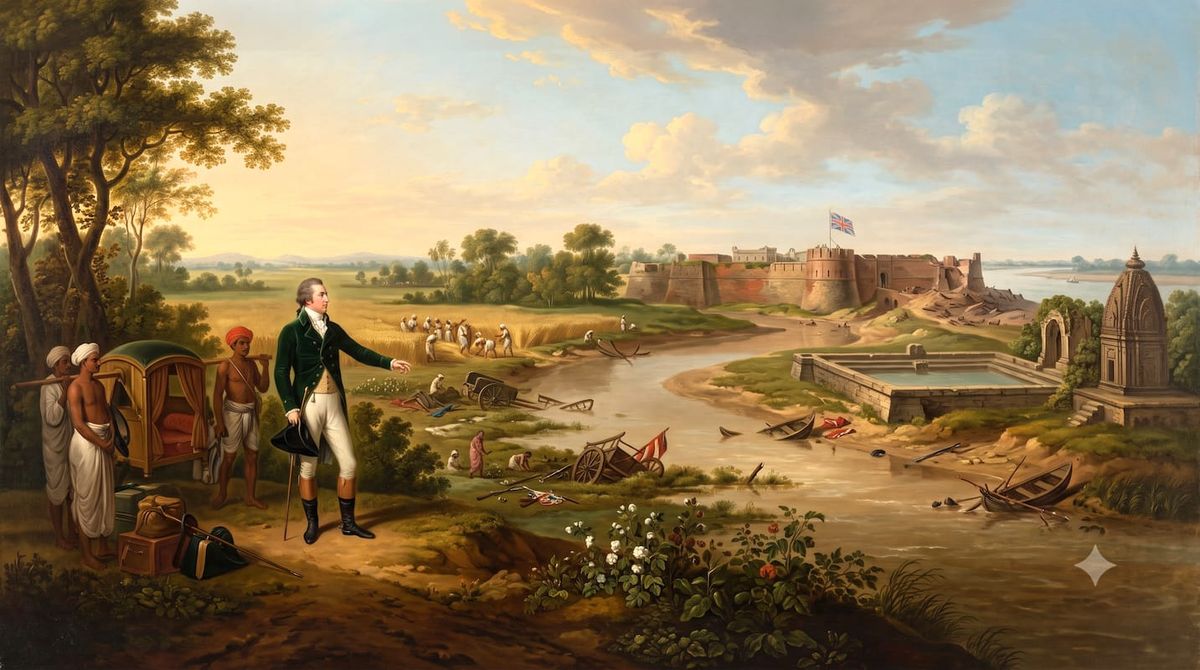
AT FOUR in the evening of March 7, 1803, Viscount Valentia sights Varanasi from his palanquin and was “highly delighted with the view of this seat of the Hindoo religion, covering the opposite concave bank of the river. The minarets were most conspicuous.” It had taken him exactly a month’s travel from Calcutta by river and road to reach the Avimukta Kshetra. Today, it is a drive of thirteen hours, a one-hour flight from Calcutta to Varanasi.
Valentia does not enter Kashi but bypasses its gates, crosses the Raj Ghat and two miles later, reaches Secrole (Sikraul), now part of the Varanasi Cantt area. He is as usual, comfortably accommodated in the bungalow of General Deare who is away on some official work. Dinner is awaiting him and so is Brigade-Major Maxwell.
Deare is absent the next day as well and Maxwell and Neave (a senior judge of circuit and appeal, and “agent to his Excellency the Governor-General”) fawn over Valentia. They have breakfast with him and wait on him and make arrangements “concerning my visits to the princes.” Valentia found the extensive fawning to be “most flattering.” Then he learns a valuable lesson in local etiqutte: “according to the custom…the stranger should pay the first visit.” However, back in Calcutta, Wellesley had instructed him otherwise: the East India Company was now the Master Race both in Bengal and the Upper Provinces. And so, Valentia politely declines the arrangements and instead, “expressed my wish to be introduced to the different gentlemen resident here, and I would certainly return their visits.” The night of March 8 ends with a lavish dinner party to which these gentlemen are invited.
General Deare finally arrives in the morning the next day and has an early breakfast with Valentia who assures him that “I was lodged greatly to my satisfaction, and had been well taken care of during his absence.” Thus, all the appropriate boxes in the checklist of the British bureaucratic food chain had been suitably ticked.
After breakfast, a bevy of “civil and military servants of the Company” visit Valentia and render him obeisances that his rank demands.
And then Valentia begins his detailed tour of Varanasi—a tour that ends on March 15, 1803. Neave, the judge, has already arranged a suwarry (Savari), an entourage befitting Valentia’s status. It comprises four chubdars (Servants of state carrying long silver sticks), two soontaburdars (Servants of state carrying short silver sticks) and ten hircarrahs (running footmen). The precise composition of his entourage was a holdover of the Mughal Empire that had depended on a nation-sized contingent of servants to maintain itself and to project its imperial power. These “servants of State” in Valentia’s mind, were “sufficient for the necessary parade on visiting, and receiving the visits of the natives of rank.” Indeed, such nuances of official etiquette occurs like a refrain throughout his narrative and it is clear that he not only enjoys it but expects it. As we have seen, Valentia, almost at every step, makes it a point to comment on the quality of his servant-staff—palanquin bearers, runners, peons—as if they were products manufactured in a factory.
This time, he is especially upset at the “badness of my bearers” manning his suwarry and eventually discovers the reason for it. Valentia couldn’t have visited Varanasi at a worse time. TheVasantotsava season—Holi—was at its peak and his Indian servants naturally detested the burden of having to carry and accompany this Firangi instead of enjoying the festivities. More frustratingly, he had arrived at the “latter end of the Huli [Holi], a festival kept up with great spirit.” The grand Holika Dahan was a few days away and this accursed foreigner had ruined the whole thing for them.

Valentia’s description and cultural contextualisation of Holi is intriguing to say the least.
While Valentia does not expand on the “remarkable connection” of Holi with the April Fools’ Day, it hints at the so-called “pagan” origins of the festival in Europe. Although a direct mapping is impossible, it is clear that many celebratory elements of the April Fools’ Day are similar to the Roman festival, Hilaria, which was annually celebrated on March 25. The fact that Hilaria, April Fools’ Day and Holi are celebrated to welcome the spring season—Vasanta—underscores the reverence for nature in all pre-Abrahamic cultures.
Valentia’s note about the “ridiculous appearance” of Indians covered in colour is an honest expression of his feelings about Holi. It is also one of the countless ingredients of British—European—attitudes towards Hindu festivals, customs and traditions, which Indians later internalised. By the end of the nineteenth century, about two generations of Anglicised Hindus had ingested this contempt for their own festivals. A notable contemporary reflection of this disdain is found in the 1993 Hindi movie, Damini. Rajkumar Santoshi, its writer and director, shows the Holi festival as the occasion for committing the gang rape and assault of a helpless maid working in a wealthy Hindu family.
Valentia does not disclose any other events of the day but it is clear that he was unable to visit any “natives of rank.”
Donate to The Dharma Dispatch


