


Read the Past Episodes
 Sandeep Balakrishna
 Sandeep Balakrishna
 Sandeep Balakrishna
 Sandeep Balakrishna
 Sandeep Balakrishna
 Sandeep Balakrishna
 Sandeep Balakrishna
 Sandeep Balakrishna
 Sandeep Balakrishna
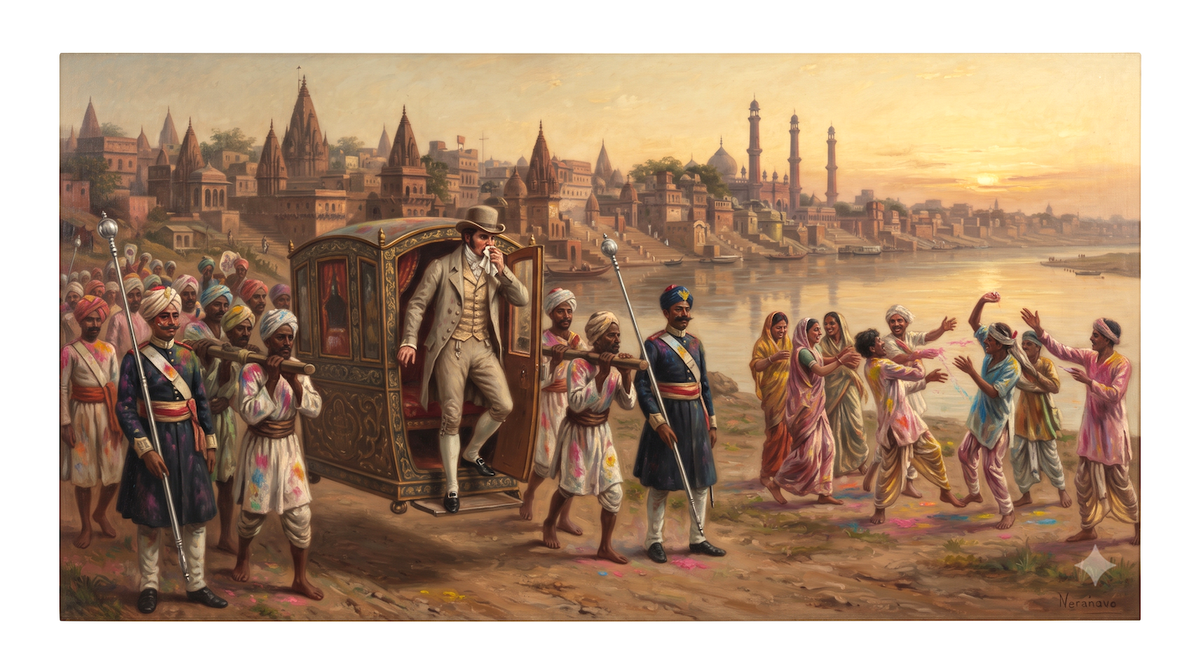
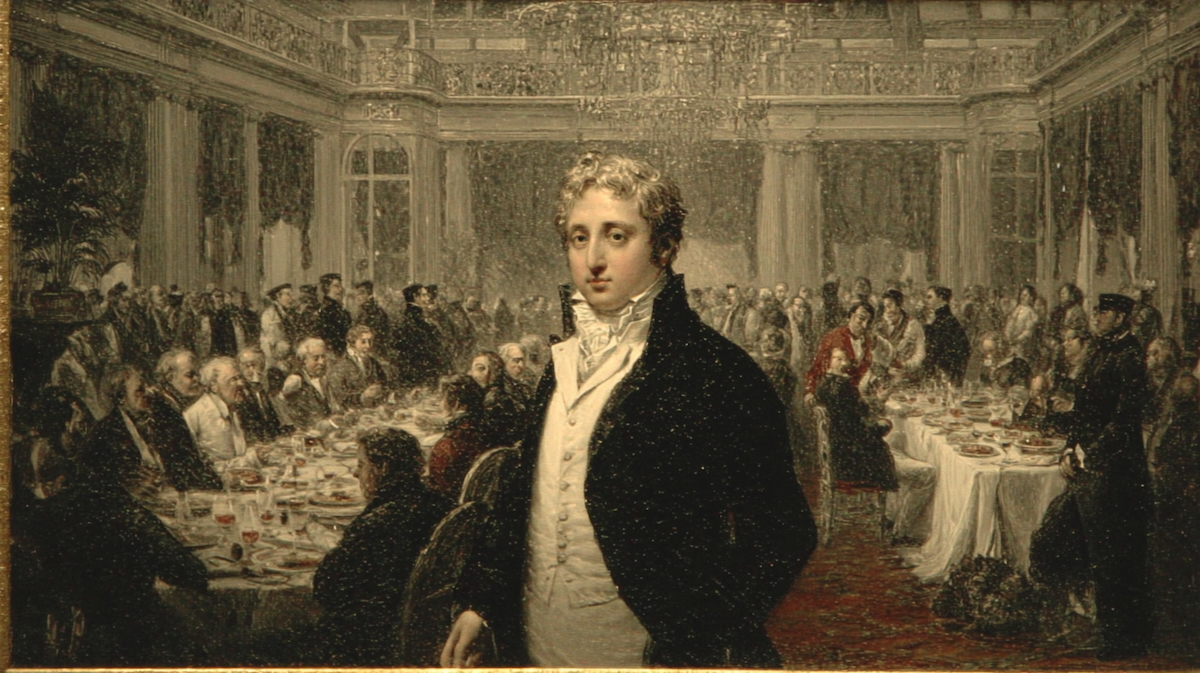
MARCH 10, 1803 proved a highly eventful day for Viscount Valentia. After an early breakfast, he set out with Neave to visit a “native of rank.” His day had indeed been meticulously planned—well in advance—by Wellesley himself.
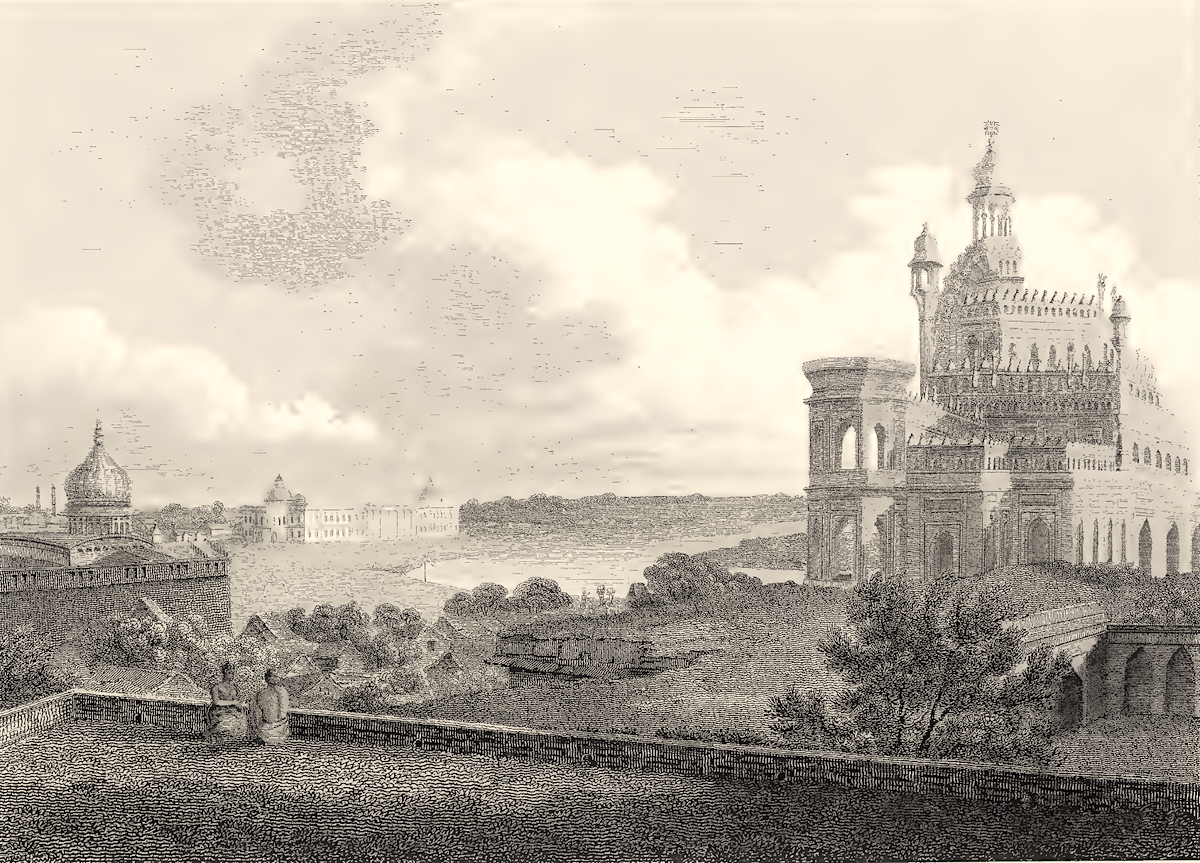
Valentia’s journey began at 9 AM. Seated in his plush palanquin, he saw how his “two suwwarys united, made a very handsome show,” as they led the way. His destination was the once-magnificent Shivala Palace which was back then, “situated in the middle of the town, on the bank of the Ganges.” Its current occupants were British-installed usurpers—Qutlaq Sultan Begum and her son, Mirza Khurram.
In 1781, the East India Company’s force had crushed Maharaja Chait (Chet) Singh of the Narayan dynasty—the Rajas of Varanasi. Chait Singh had fought against Warren Hastings’ hefty extortions and after his defeat, was deposed. His palace and fort were seized and given to Mirza Jawan Bakht, the eldest son of Shah Alam II—the Mughal king, who had now become a pensioner under British protection. Jawan Bakht died in 1788 and his crafty wife, Qutlaq Sultan Begum, was holding on to an estate in absolute tatters.
Yet, in British eyes, this was still a native family of “rank” deserving of royal courtesy. However, Wellesley had overturned the terms of courtesy for a straightforward reason—the British were now the ruling class and they were entitled to due deference due from the supplicant Mughals. Valentia narrates how, when Cornwallis had visited Varanasi, he was treated as an inferior in a reception ceremony:
On paying a visit to any Asiatic prince, an inferior receives from him a complete dress of honour, consisting of a khelaut [khillat], a robe, a turban, a shield, and sword, with a string of jewels to go round the neck. This ceremony was submitted to by Lord Cornwallis when at Benares.
Wellesley was outraged when he learnt of this ceremony and summarily halted it. On his visits to Indian princes, he “determined to appear in the presence of the royal family in his [military] uniform, receiving the dresses in trays as a present made to him.”
And now, Wellesley had given strict orders to Neave who in turn passed on the orders to all “natives of rank” in Varanasi to accord the same reception to Valentia as well. Valentia is naturally elated at this and showers gushing praise upon Wellesley: “his will and pleasure is a law.”
This is how Valentia is received as he approaches the Shivala Palace:
I found the guard drawn out to receive me… It was intended to do me honour, and I felt the compliment. On entering the gate a salute was fired.
Then both Valentia and Neave alight from their palanquins and move to the Diwan Khanah—Hall of Reception—and find that prince Mirza Khurram was awaiting them. His description of the Diwan Khanah is pithy but highly visual.
The extended conversation that follows is singular for the range of historical insights it offers us. On the broadest plane, it shows us the very viscera of an imperial Muslim house not just in decay but destined for assured extinction—in less than a century after the death of its most powerful monarch, Aurangzeb. It is also a scene of wonder—a graphic message of a dynasty that should’ve vanished decades ago but hasn’t. It is also a reaffirmation of several patented truths of a typical Islamic regime and the changeless traits of the medieval Muslim society. Above all, it is a perceptive character study of the Mughal bloodline itself.
What also makes it an invaluable historical record is Valentia’s blow-by-blow account embellished by rich and vivid commentary and sapience.
To be continued
Donate to The Dharma Dispatch


